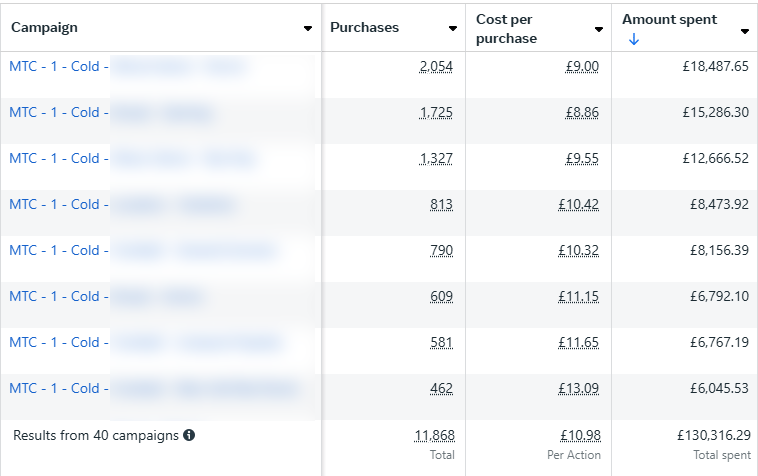
1. On-the-fly Optimization
We closely monitored performance during the first 7 days. If a creative went above our target CPA, we paused it immediately and reallocated the budget to better-performing ads. This let us minimize waste even as Meta re-entered the learning phase.2. Niche-based Campaign Structuring
To handle the variety of audiences, we built dedicated campaigns for each niche (horror, gamers, etc). This gave us clear visibility into what worked and allowed us to double down on responsive groups.3. Early Signals, Faster Pivots
With new designs launching monthly, we couldn't wait for full conversion data. We used secondary metrics like CTR and thumb stop rate to gauge early performance and cut underperforming ads quickly.4. Real-time Pacing
To stay profitable under the 1,200-subscriber cap, we tracked sign-ups weekly and adjusted budgets in real time. Scaling up or down ensured we stayed within margins while growing predictably.